The Story of the Dosa: From Ancient Karnataka to Waltham
A crisp, golden crepe with two thousand years of history. Here's how the dosa traveled from a temple town in South India to your plate at Peppino's.
On this page
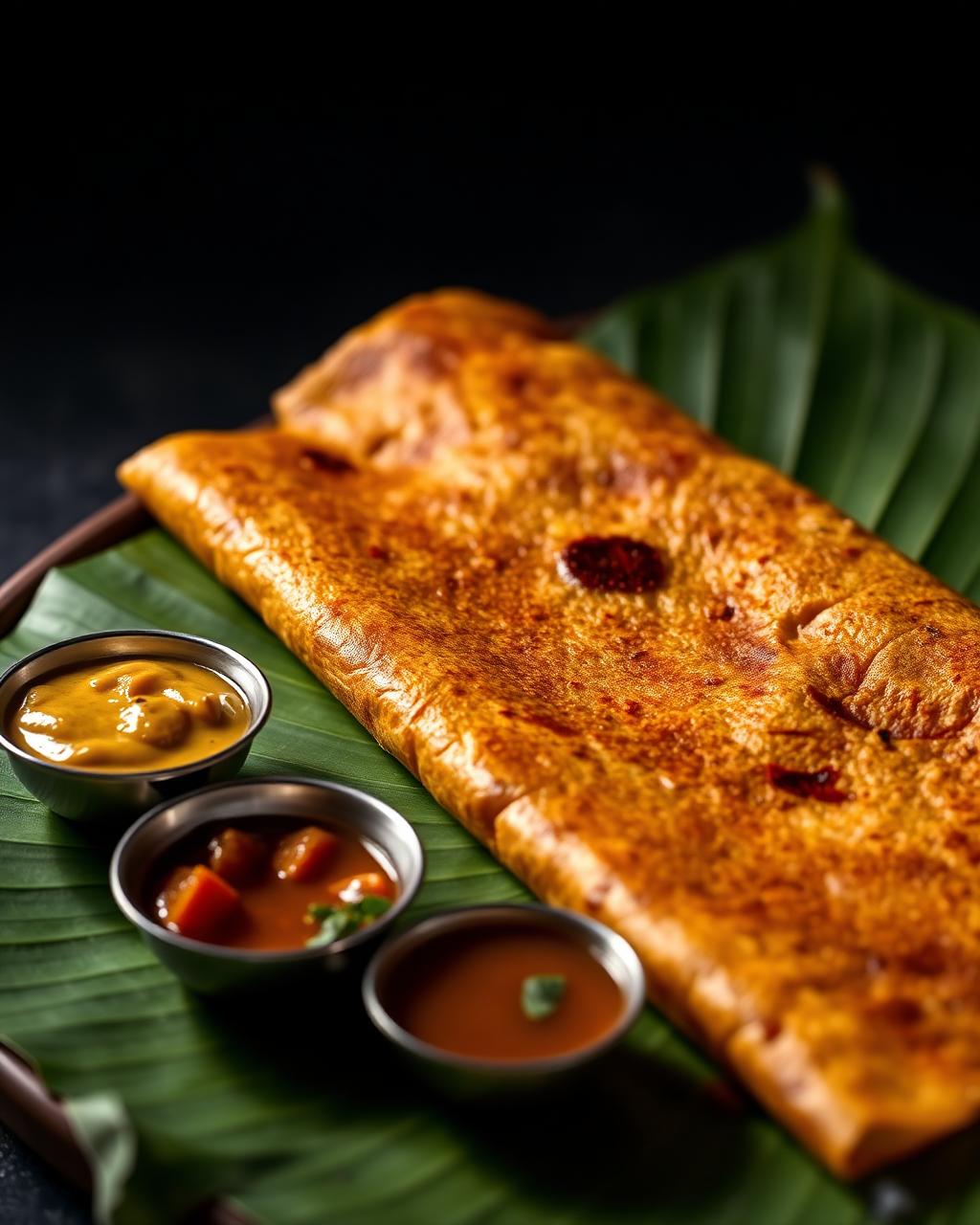
Few dishes carry as much quiet history as the dosa. What arrives at your table as a golden, paper-thin crepe is the end of a journey that began nearly two thousand years ago in the temple towns of South India — and it hasn't changed much since.
A South Indian origin story
The first written mention of the dosa appears in Tamil literature around the 1st century CE. By the 5th century, it was a staple in Karnataka's Udupi region, where temple cooks refined the ratio of rice to lentils and the long, slow fermentation that gives the dosa its signature tang and crisp edge.
For centuries, the dosa stayed local — a devotional food served at temples and homes. It began traveling only in the last hundred years, first across India, then to London, Singapore, and eventually to places like Waltham, Massachusetts.
The batter is everything
A great dosa is 80% batter. The classic ratio is three parts rice to one part urad dal, soaked separately for six hours, ground to a smooth paste, then combined and left to ferment overnight. When it's ready, the batter smells faintly sour and bubbles just under the surface.
Skip the fermentation and you get a pancake. Rush the grind and you get a chewy crepe. There are no shortcuts.
The many faces of dosa
Once you know the base, the variations open up:
- Plain dosa — the classic. Just batter, ghee, and heat.
- Masala dosa — stuffed with a lightly spiced potato-onion filling.
- Paper dosa — stretched thin and long, all crunch.
- Rava dosa — made with semolina for a lacy, crispier texture.
- Onion rava dosa — the rava dosa's louder cousin, with green chili and fresh onion.
How we make ours
At Peppino's, our batter ferments for a full 18 hours before it touches the griddle. We grind rice and urad dal fresh every day, and our cast-iron tawa is seasoned so well it doesn't need much more than a whisper of ghee. The result is a dosa that's crisp on the outside, soft where it needs to be, and never — never — soggy.
Come try one at 434 Moody Street, or catch our Dosa Night every Tuesday from 5 to 10 PM for special preparations you won't find on the regular menu.
Frequently Asked Questions
A dosa is a thin, crisp South Indian crepe made from a fermented batter of rice and urad dal (black lentils). It's naturally vegan and gluten-free, and is served with sambar and coconut chutney.
Yes. The fermentation makes the rice and lentils more digestible and boosts B-vitamins. A plain dosa with sambar is a balanced, protein-rich, low-fat meal.
A masala dosa is stuffed with spiced potato filling. A paper dosa is stretched extra-thin and long — sometimes up to four feet — with no filling, prized for its crispness.
Come Taste It for Yourself
434 Moody Street, Waltham MA. Fresh dosas, thalis, and North Indian curries served every day.
Related Articles
The Best Dosa in Waltham, MA — Where to Find a Real South Indian Crepe
Crisp edges, tender middle, 12-hour fermented batter. Here's an honest local guide to the best dosa in Waltham — what to order, how it's made, and why Peppino's Dosa is the room to try it in.
Two Kitchens. Two Worlds. One Peppino's: What Makes Us Different From Every Other Indian Restaurant in Waltham
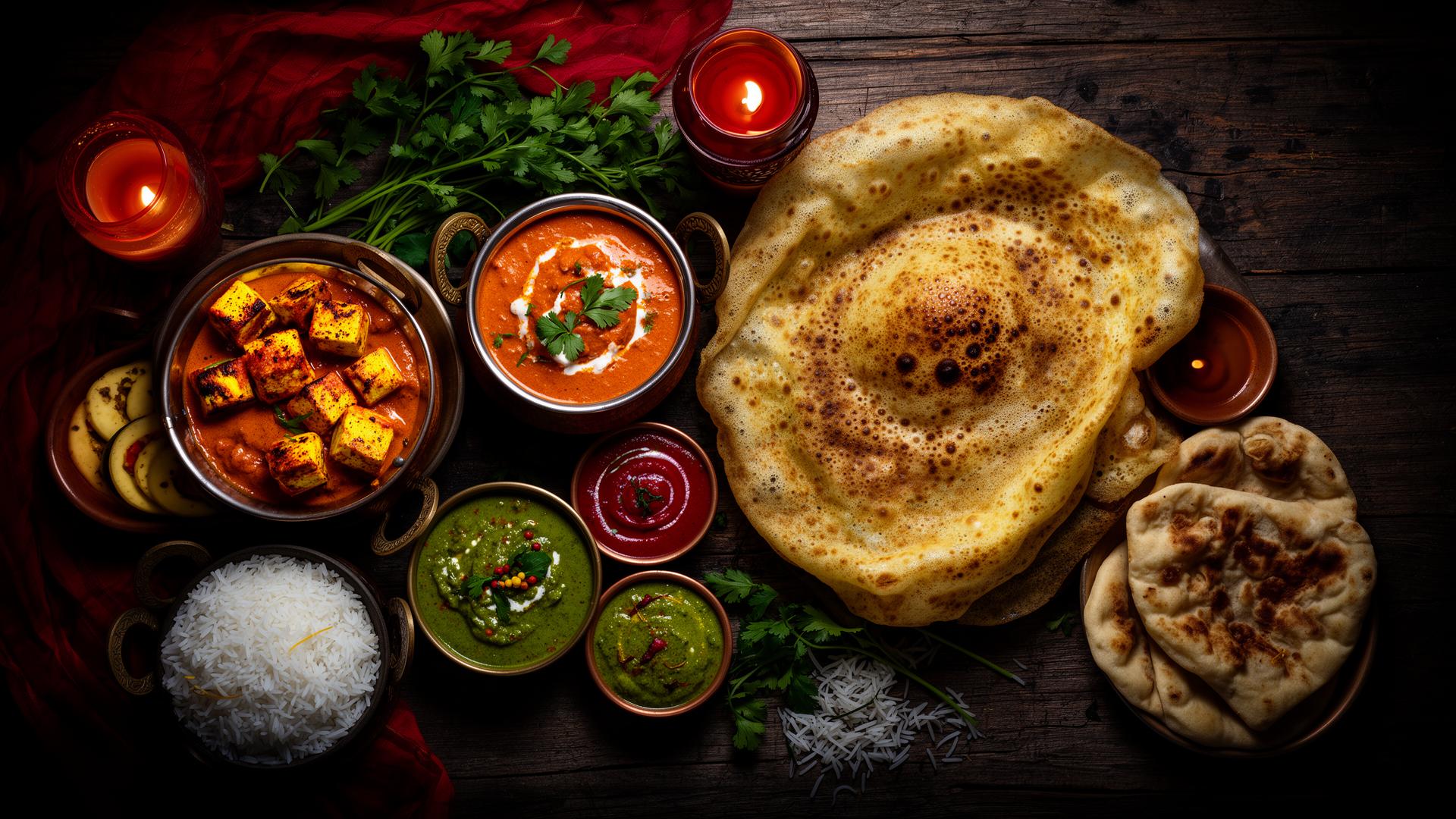
Waltham has a genuinely great Indian restaurant scene. Here's an honest look at how Peppino's Dosa on Moody Street compares — two fully separate kitchens, two distinct dining worlds, North Indian, Punjabi and South Indian cooking, and a table where nobody has to compromise.
The Vegetarian Indian Restaurant Waltham Vegetarians Actually Trust
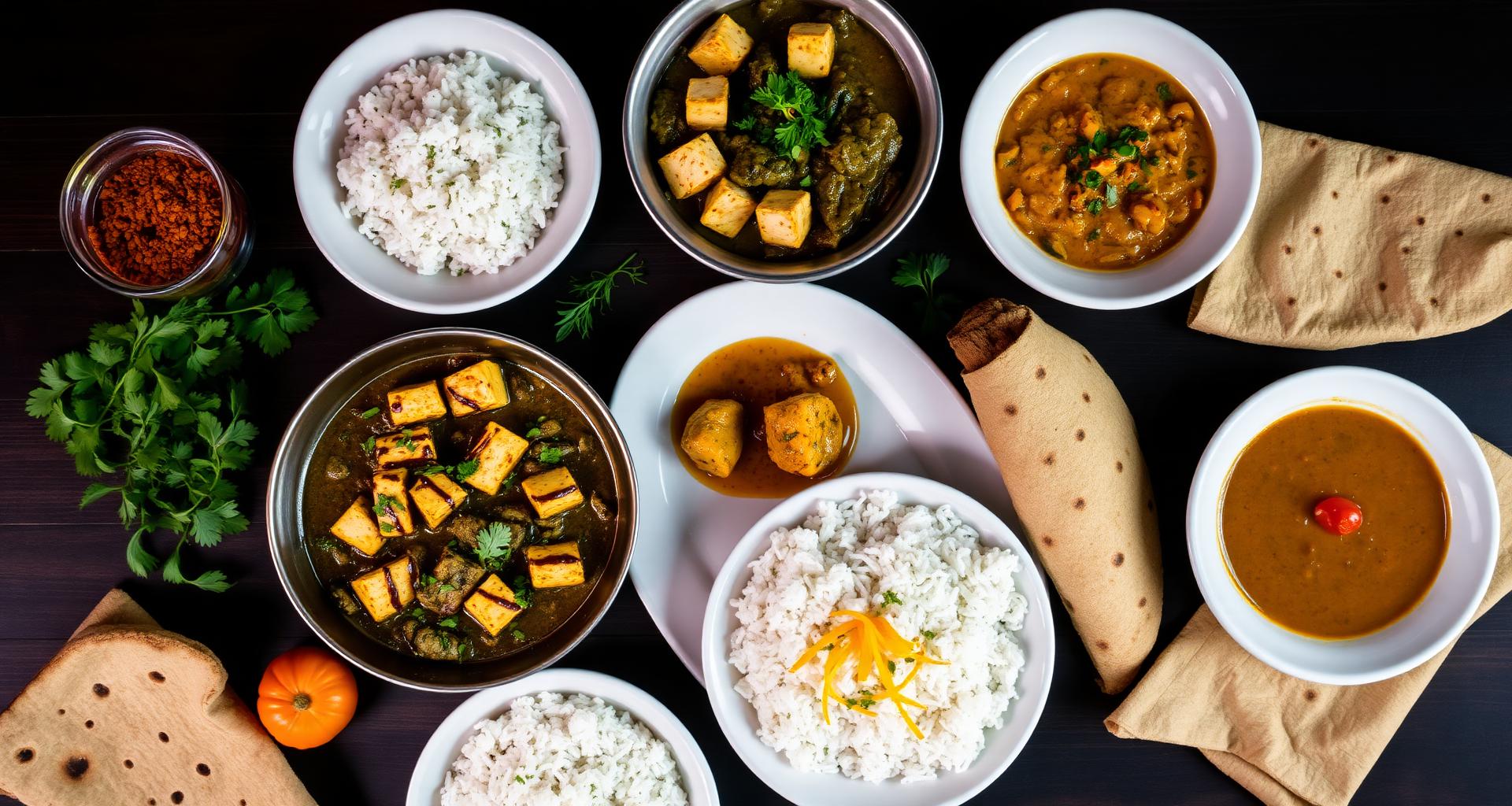
A vegetarian Indian restaurant in Waltham that runs a fully separate veg kitchen — no cross-contact, deep menu, Jain and vegan friendly. Here's why plant-based diners keep coming back to Peppino's.